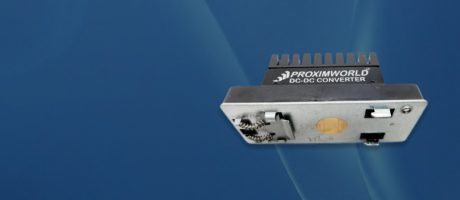
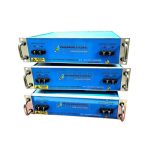
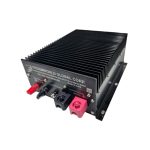
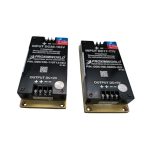
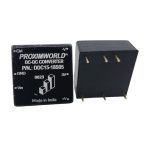
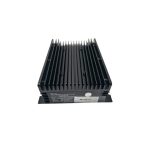
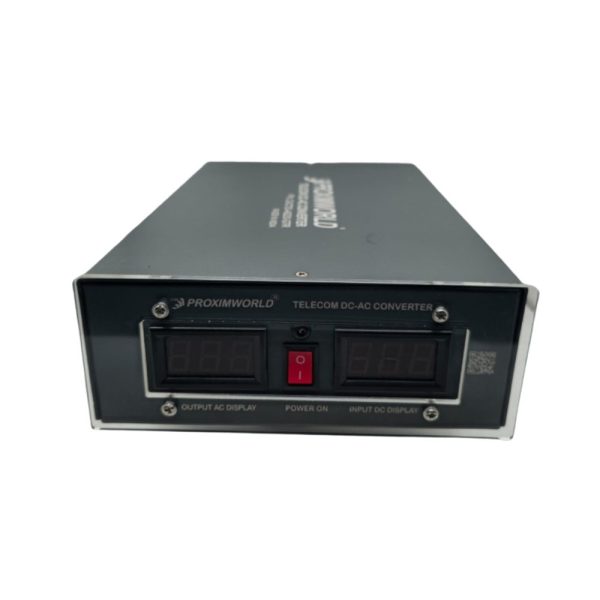
Defence Grade DC-AC Converter to Power Your Applications
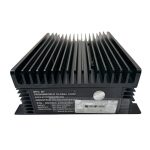
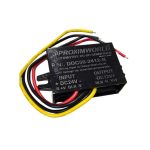
Lithium-Ion Battery charger dc power bank for navy Marine warships, 30A, 24V
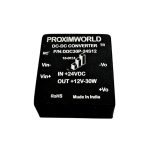
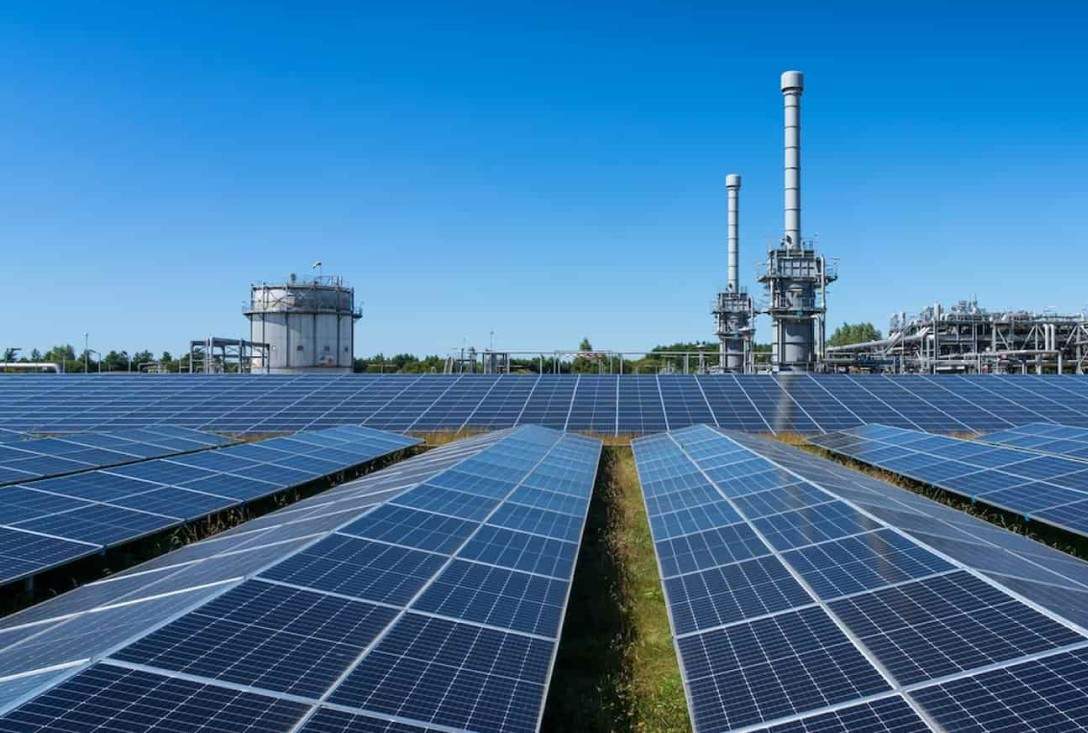
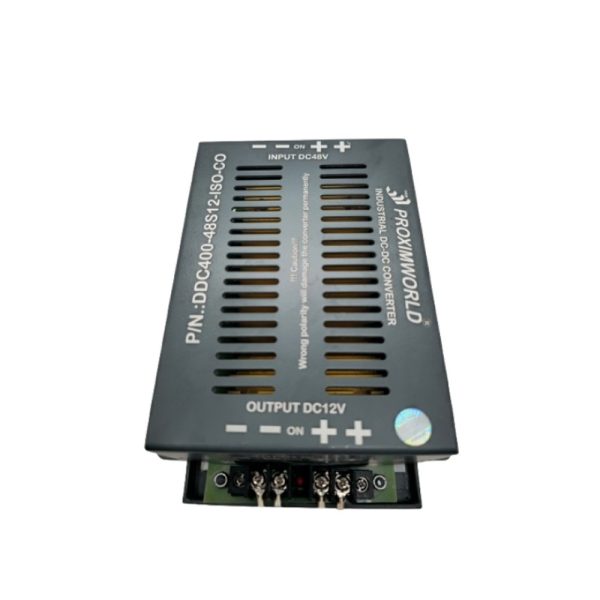
High Voltage DC-DC Converter to Maximize Solar Efficiency
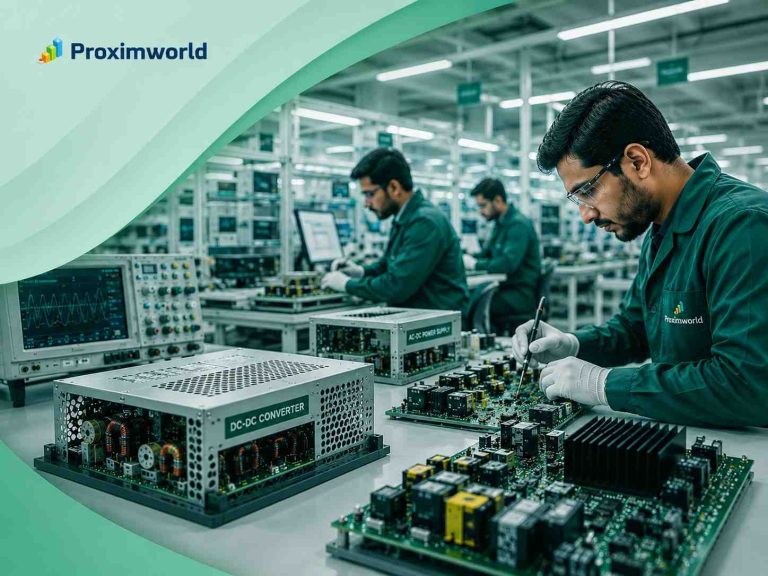
Why Industries Trust Proximworld for Reliable Power Solutions
Custom Engineering Expertise
Tailor-made power conversion solutions designed to meet your exact voltage, current, isolation, and application requirements.
Industrial-Grade Reliability
Built for harsh environments with robust protection features, high efficiency, and long operational life.
Wide Product Portfolio
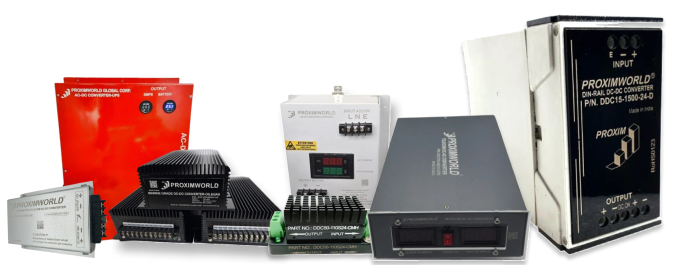
From DC-DC converters and AC-DC power supplies to battery chargers and custom electronic solutions, all under one roof.
Multi-Industry Experience
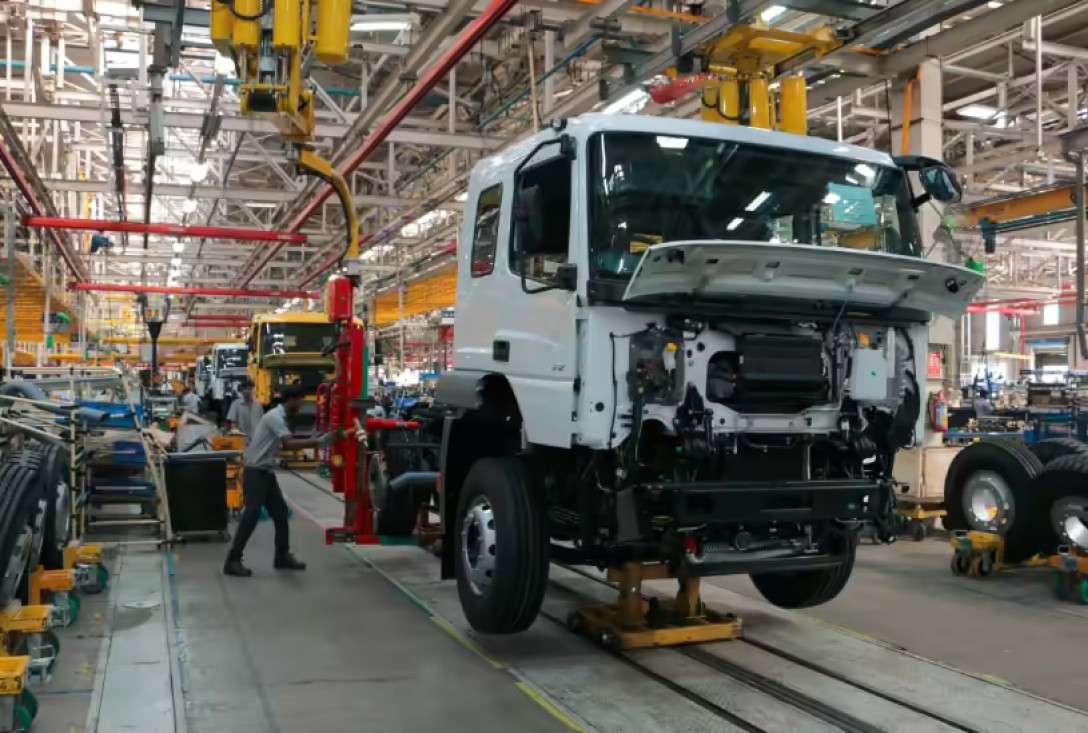
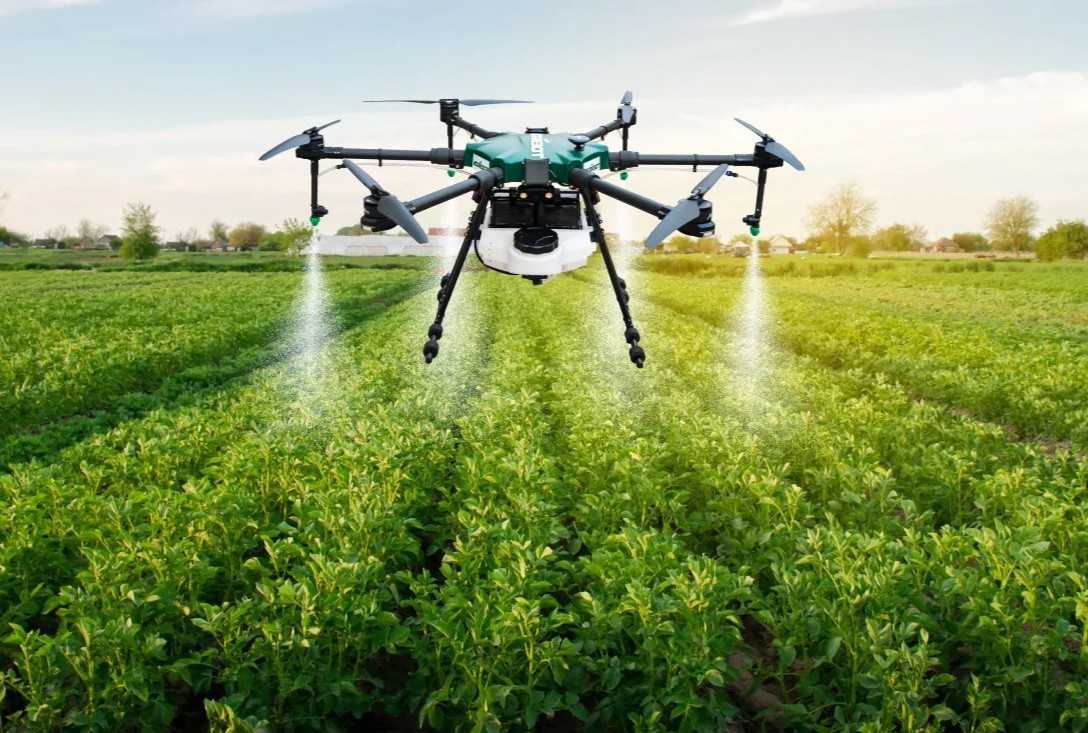
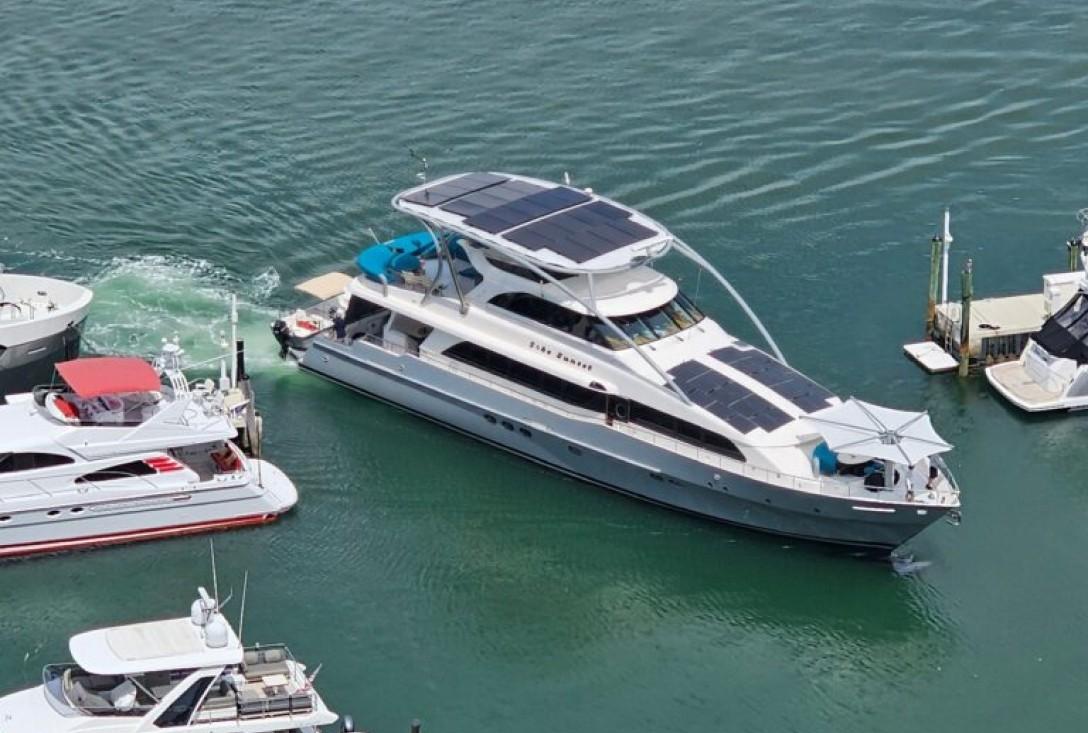
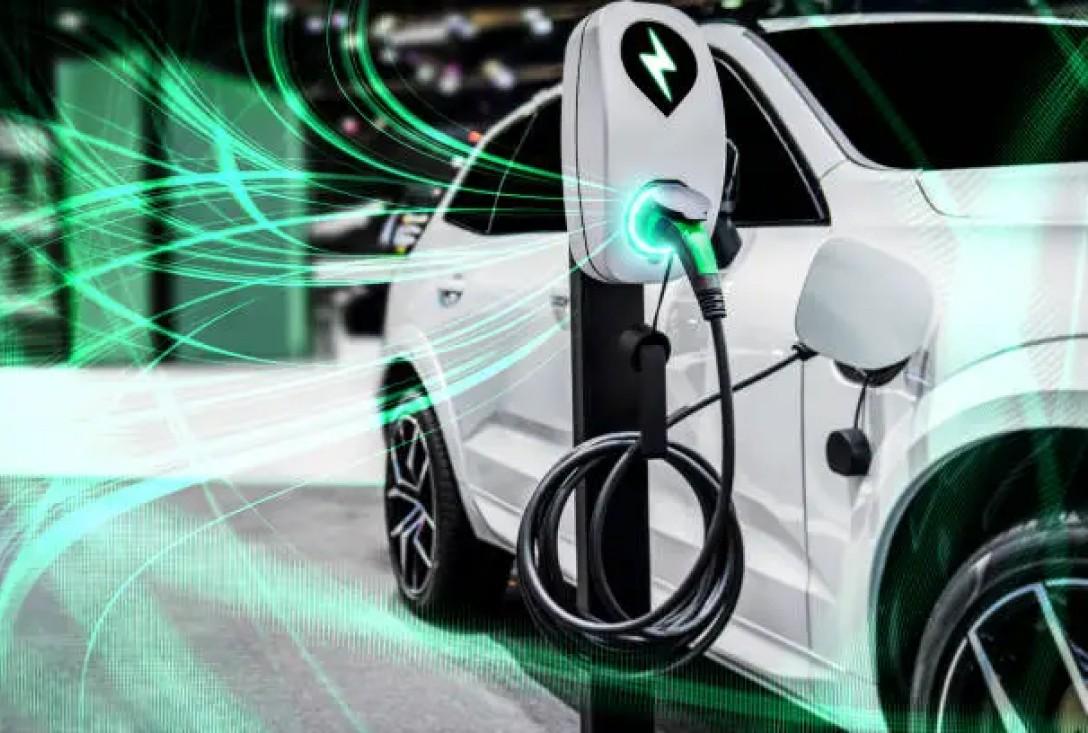
Trusted across EV, railway, telecom, industrial automation, renewable energy, marine, aerospace, and defense sectors.
Shop All Products
Industries We Serve


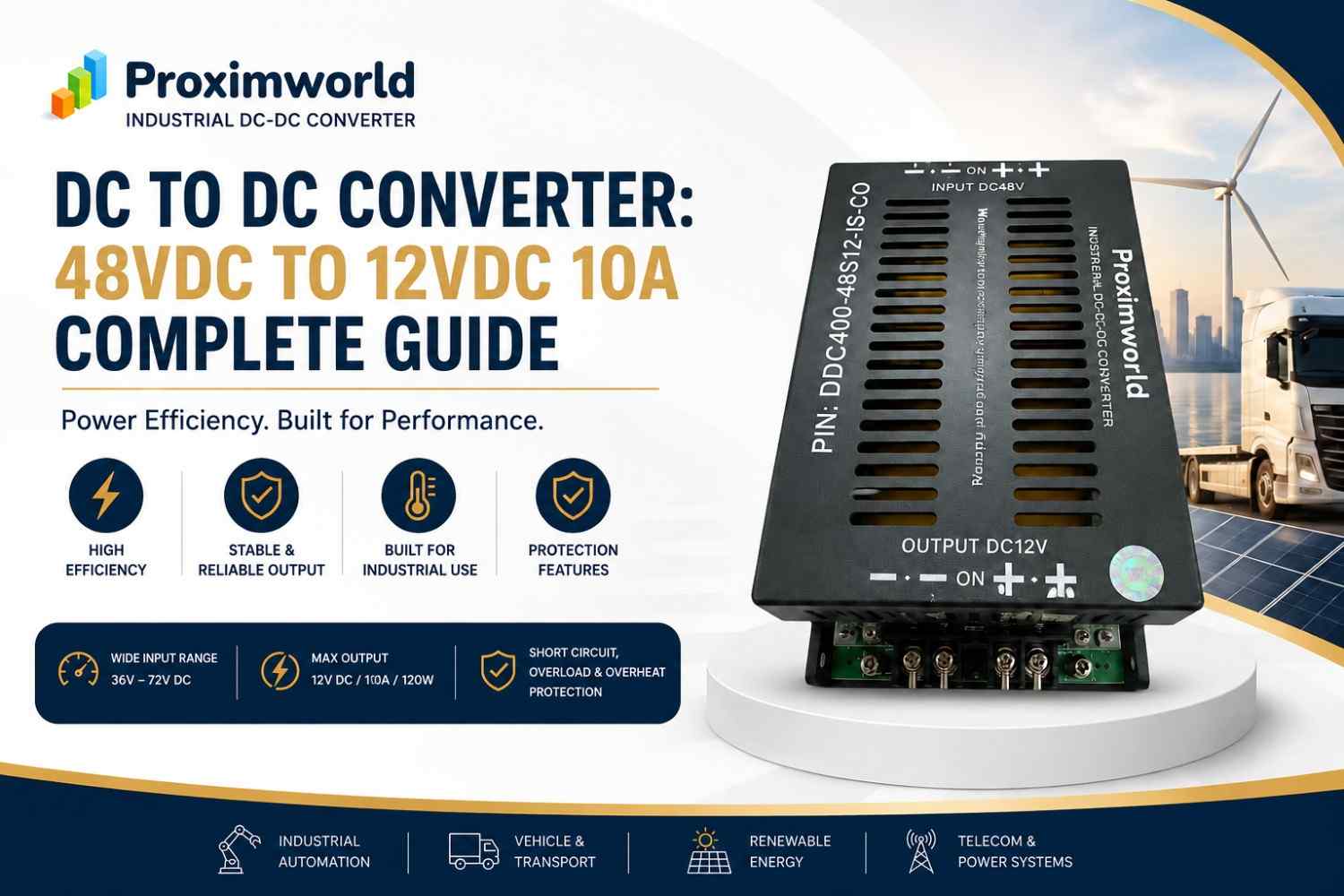
DC To DC Converters
DC to AC converters
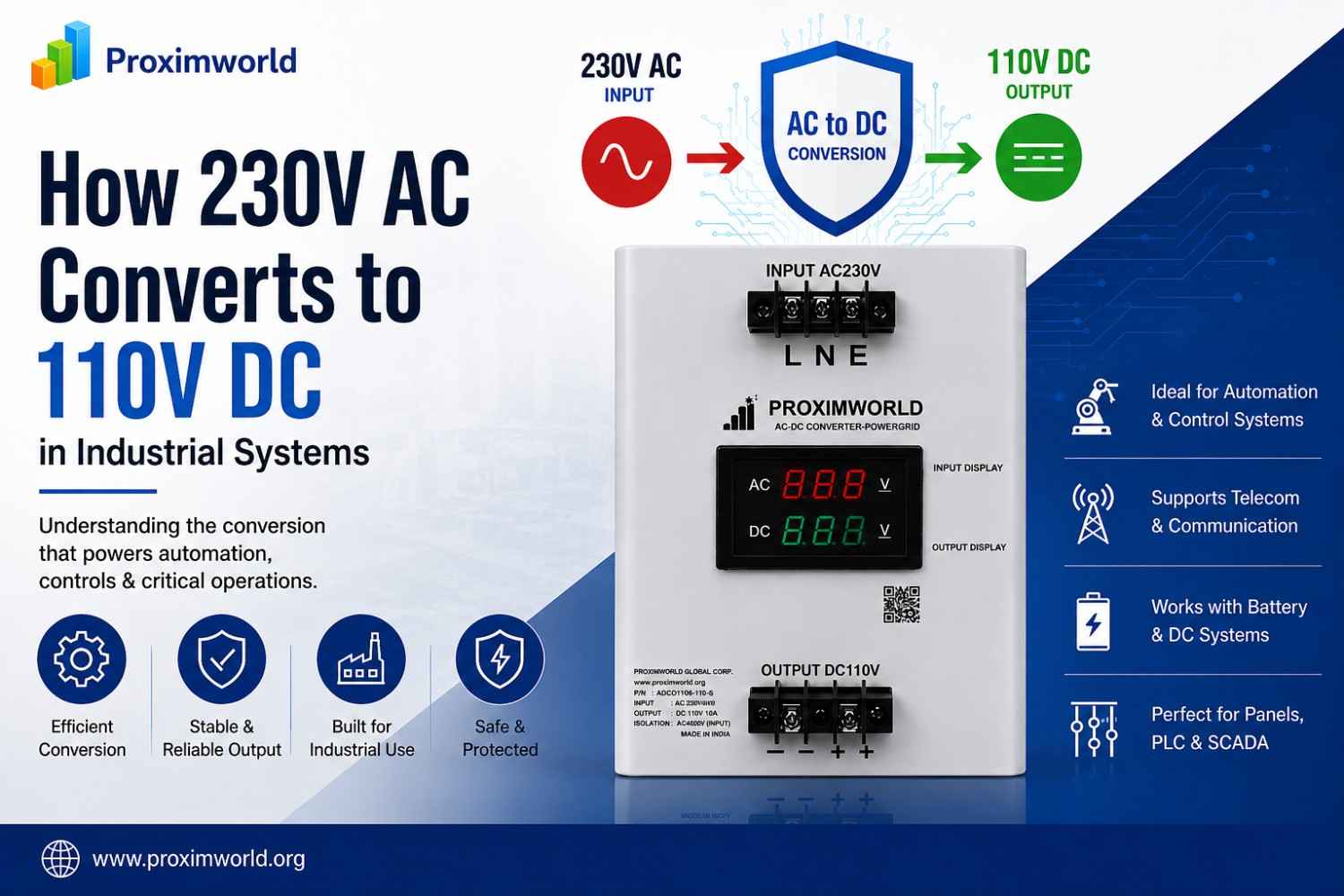
AC to DC Converters
Efficient power supplies, inverters & electronic components
Innovative Power Solutions For Every Industry
FAQs Technical Insights
What is the difference between isolated and non-isolated DC-DC converters in industrial systems?
Isolated DC-DC converters provide galvanic isolation between input and output, which helps protect sensitive equipment from voltage spikes, ground loops, and electrical noise. Non-isolated converters are more compact and efficient for applications where isolation is not required.
Which DC-DC converter topology is suitable for railway, telecom, and oil & gas applications?
For harsh industrial environments such as railway, telecom, and oil & gas sectors, isolated high-reliability converters with wide input voltage ranges and IP-rated enclosures are generally preferred due to their resistance to surges, vibration, and unstable input conditions.
Can SMPS units handle unstable industrial AC input conditions?
Yes. Some Proxim World SMPS models support wide AC input ranges from 100V to 300V, making them suitable for locations with unstable mains supply or generator-based systems.
What is the significance of switching frequency in DC-DC converters?
Higher switching frequencies help reduce transformer and inductor sizes while improving power density, though thermal management and EMI considerations become more critical.
Why is thermal derating important in industrial power systems?
Thermal derating ensures stable long-term operation by reducing output power at elevated temperatures to protect internal components from overheating and premature degradation.